Project
Engage H2O
A UAFMA film camp for young authors: documentary practice, water as a vital resource, and engagement with real environmental and social issues in the field.
Project Overview
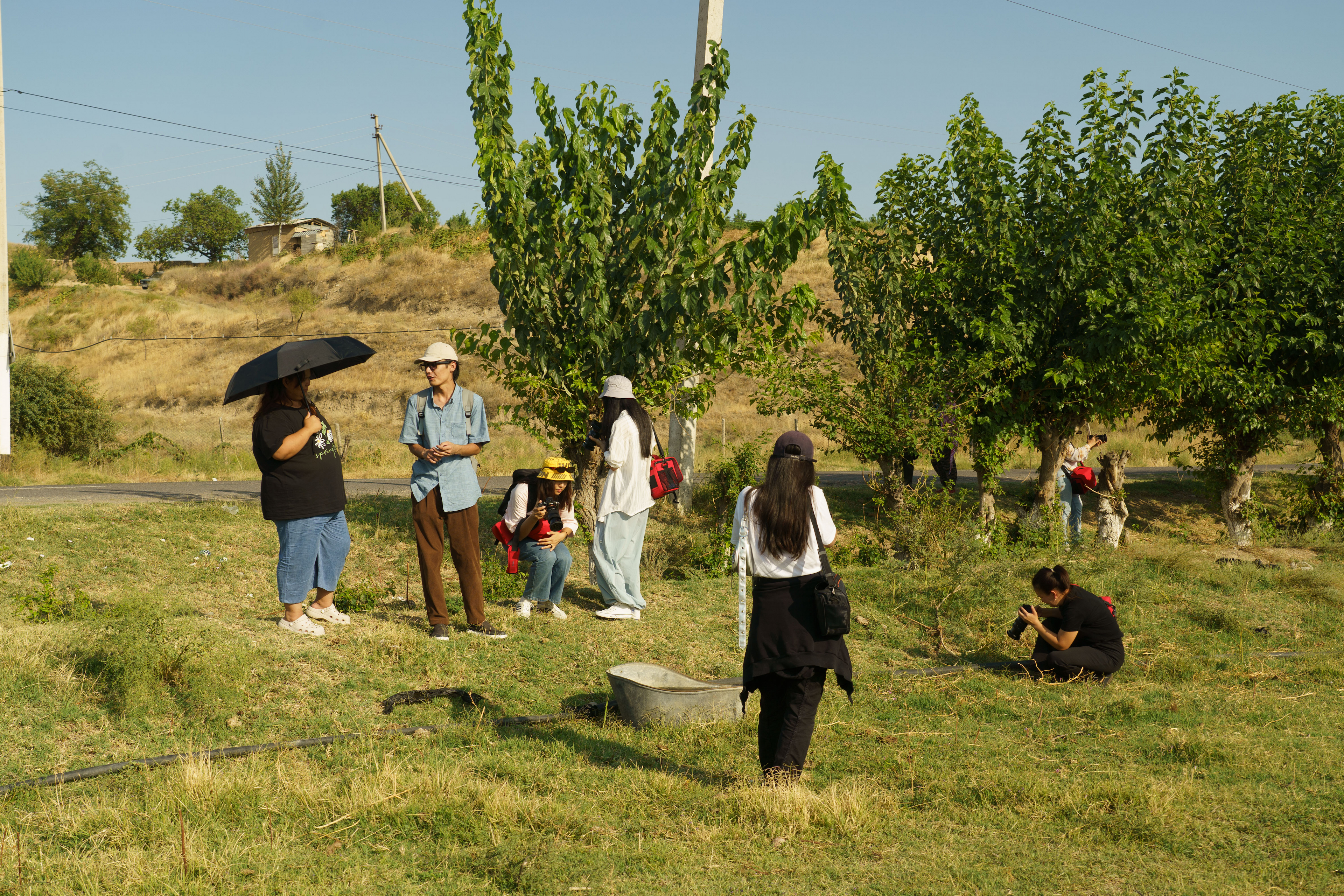
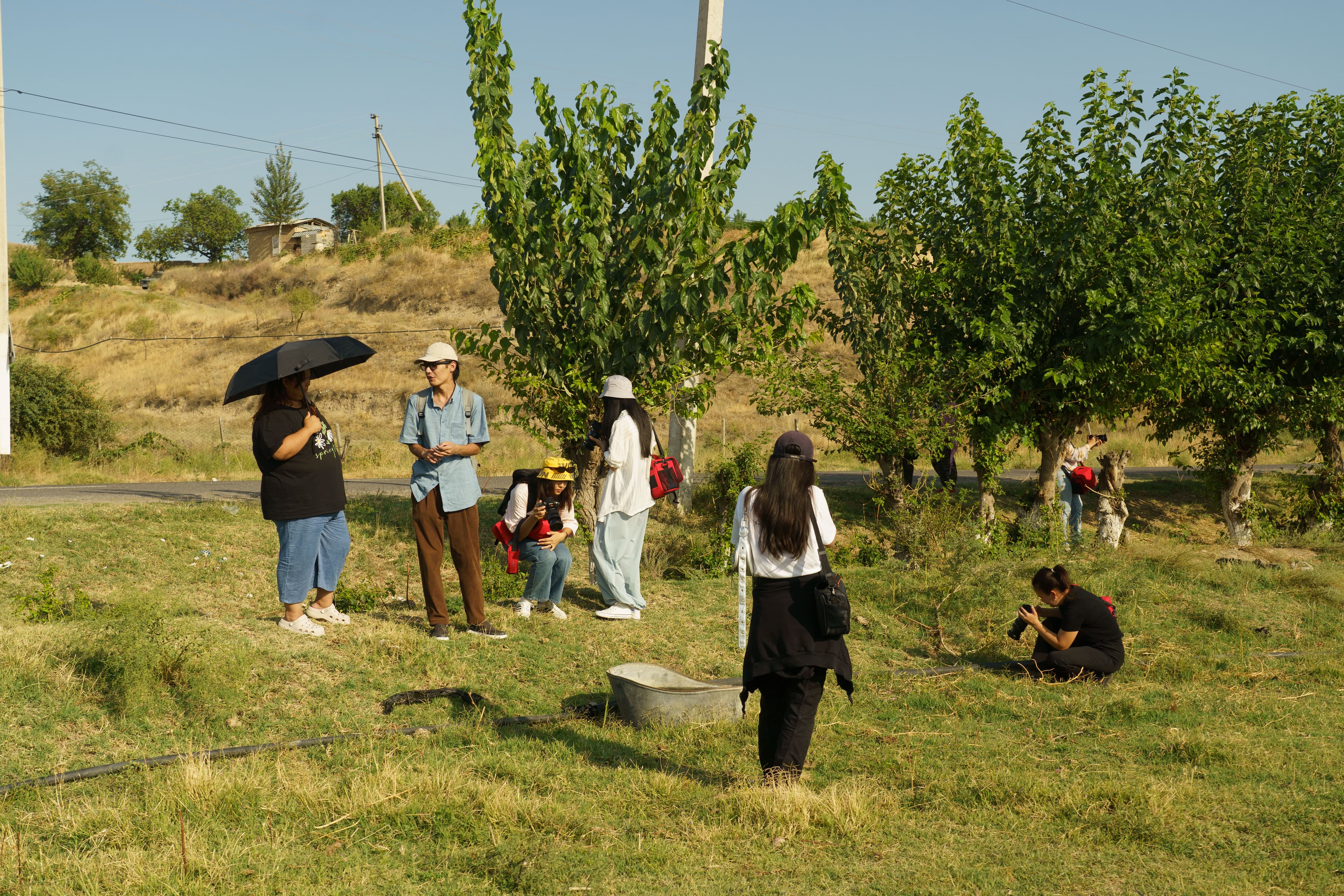
Engage H2O is an educational initiative in the format of a film camp, aimed at enhancing young authors’ skills in documentary filmmaking. Its core idea is to view cinema as a tool for exploring society, the environment, and the relationship between humans and nature, with a special focus on water as a vital resource. The program combined theoretical learning with intensive practice: participants developed visual thinking, documentary observation skills, and learned to work with camera and sound, while going through all stages of film production — from concept to editing. An important part of the process was interaction with local communities and the study of real environmental issues related to water resources. The film camp was implemented in two stages. The first stage, held in the Namangan region, focused on fundamental skills and included a field expedition to Sary-Chelek (Kyrgyzstan), where participants filmed and analyzed material related to water-related challenges. In the second stage, held in the Surkhandarya region, the remaining participants deepened their work on their projects, developing skills in interviewing, storytelling, and editing, while continuing filming in natural locations. The project was characterized by a warm and supportive atmosphere and active exchange of experience between participants and mentors. As a result, participants not only gained practical experience in documentary filmmaking but also developed a deeper understanding of social and environmental processes, as well as the importance of water in regional life.
The Challenge
Young filmmakers need structured mentorship, hands-on production experience, and access to real contexts where water-related environmental and social issues can be observed and documented with integrity.
Objectives
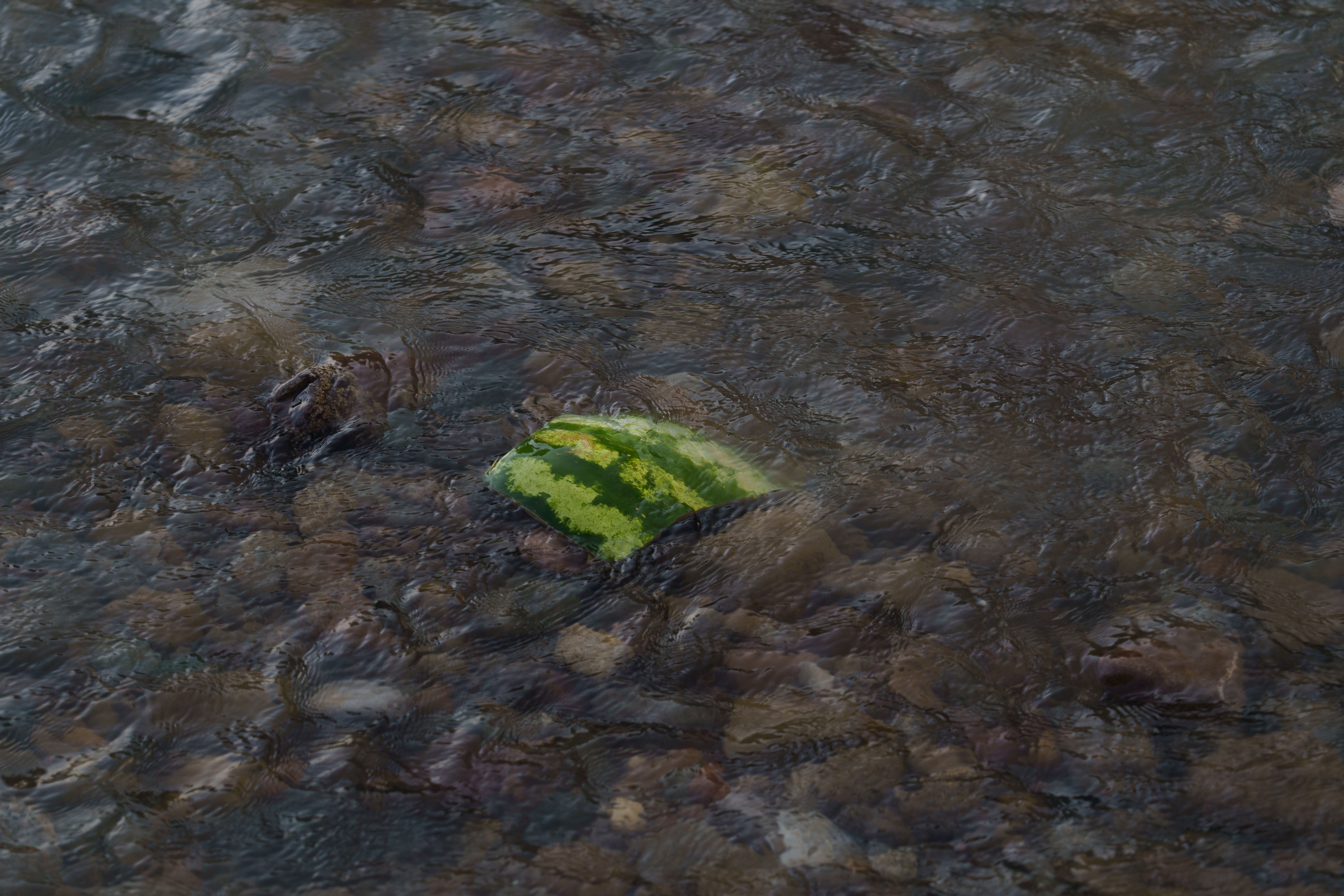
Strengthen documentary craft — visual thinking, observation, camera and sound — applied to society, environment and water.
Guide participants through the full production cycle from concept to editing.
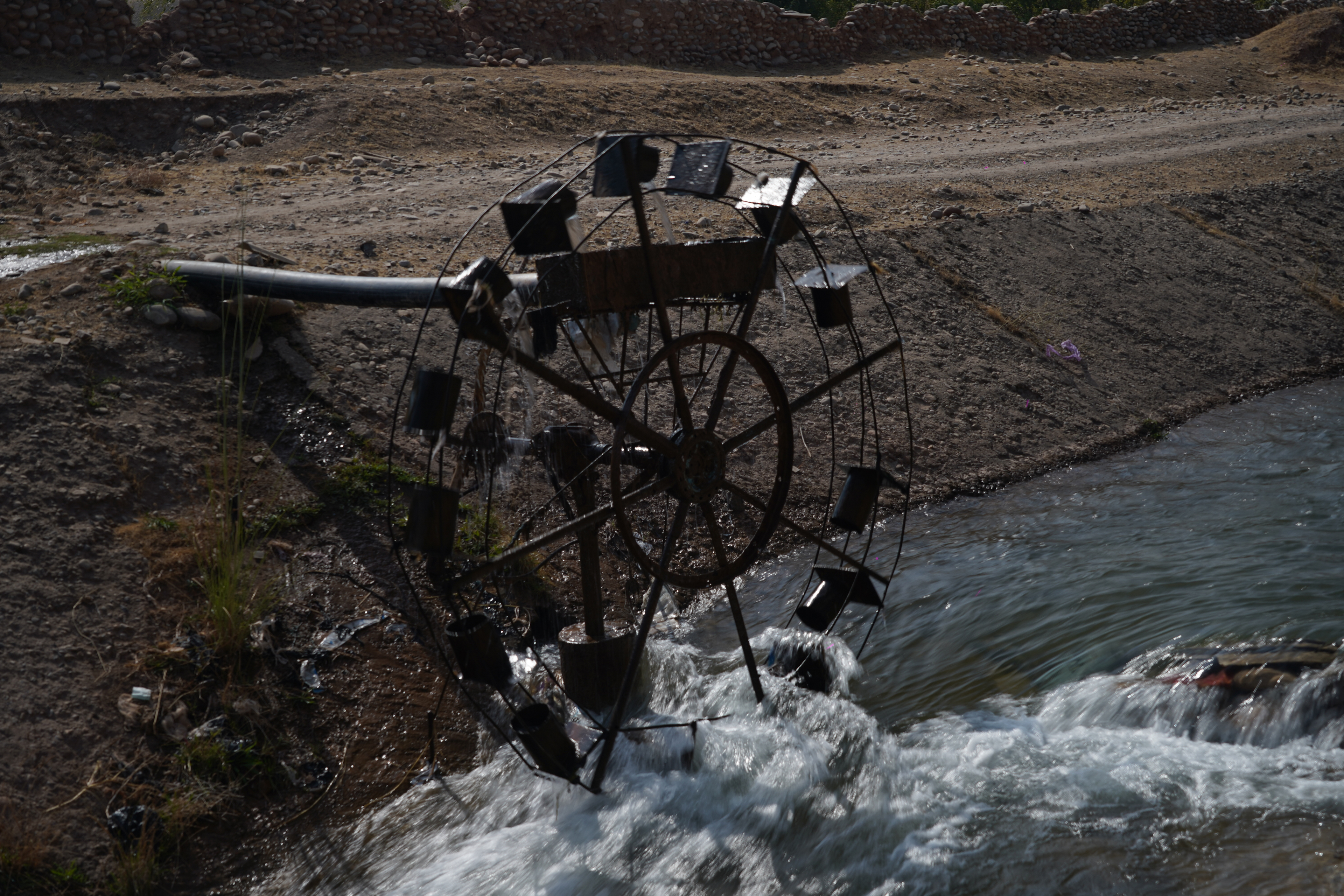
Connect learning with local communities and real environmental questions around water resources.
Deliver a two-stage programme that builds fundamentals in the field (including cross-border expedition) and deepens storytelling and editing in a second region.
Activity of the project
Stage 1 — Namangan region: core skills and a field expedition to Sary-Chelek (Kyrgyzstan) to film and analyse material on water-related challenges.
Stage 2 — Surkhandarya region: advanced work on projects with interviewing, storytelling and editing, with continued filming on location.
Workshops and mentoring supporting exchange between participants and tutors throughout both stages.